Plan a Field Trip to CAY HCC: Teaching Black History in Pennsylvania
Categories
Recent Posts
Looking for a Black history field trip in Pennsylvania that your students will actually remember? The Crispus Attucks York History & Culture Center is now open in York, PA, and it was built for exactly this kind of learning.
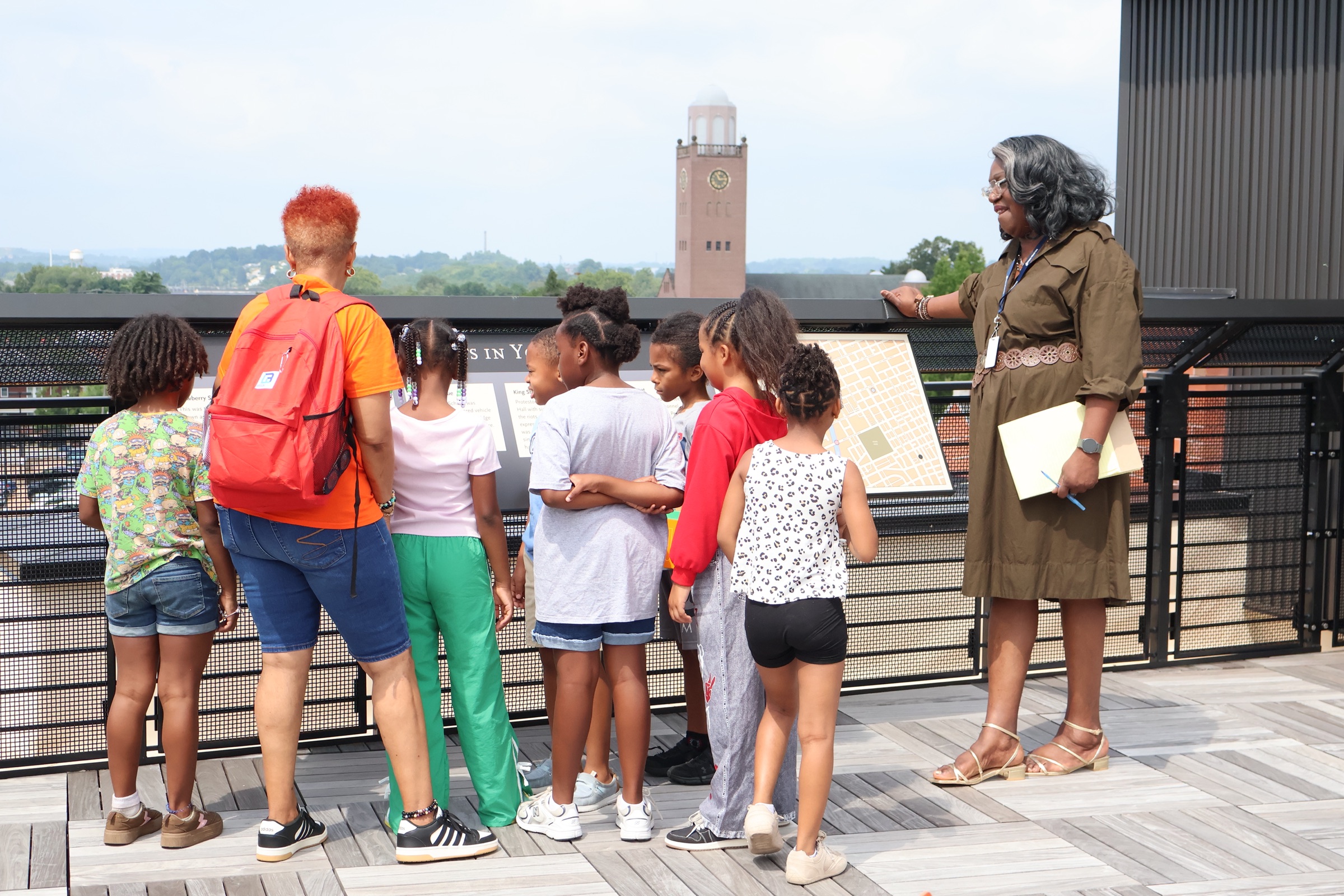
Here, the story of African Americans in York is told right where it happened. Students walk through interactive exhibits, explore an art exhibit, step out onto a rooftop terrace with views of the city, and learn about the neighborhoods, leaders, and families who shaped York for generations. For teachers, that means local history your students can connect to their own streets, schools, and families.
And here is something many teachers do not know yet: you are not limited to touring the exhibits. The Center includes a second floor classroom and educational multipurpose rooms, so you can bring your class and teach your own lesson on site.
What Your Students Will Learn
York’s African American history is full of real people students can learn from. A visit to CAY HCC brings stories like these to life:
- The founding of Crispus Attucks in 1931. During the Great Depression, Black families in York lacked fair access to relief. Community leaders Rev. David Orr, Dr. George Bowles, and Rev. Thomas Montouth formed Crispus Attucks to provide child care, job help, housing support, and recreation.
- Dr. George Bowles, a giant in York history. A physician who earned his medical degree in 1906, Dr. Bowles spent his life fighting for equal rights. He once led a delegation to the mayor to protest the showing of the racist film “Birth of a Nation” in York.
- Rev. David Orr and the Great Migration. Rev. Orr came to York from Bamberg, South Carolina in the late 1920s looking for railroad work. He later helped integrate housing in York County and led the effort to build the CAY Center on South Duke Street. The Center’s event hall is named in his honor.
- Neighborhoods that raised a community. Through the CAY Living History Project, York elders share memories of the Codorus Street neighborhood, the Back Alley Community, and the stretch of Princess Street once called Black Wall Street for its many Black owned businesses.
- Segregation in York schools. Students can learn that York once had segregated schools, such as Smallwood Elementary on Pershing Avenue, where Black teachers taught Black students.
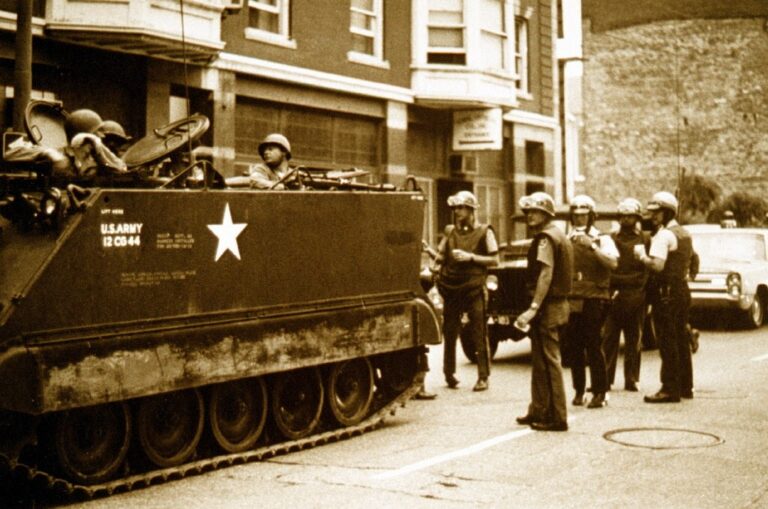
- Civil rights in York. Older students can study the 1968 and 1969 unrest, the 1970 York Charrette that brought the city together to talk through its problems, and the York residents who marched and organized for equal rights.
- Music as history. Spirituals, gospel, and soul music carried messages of hope, resistance, and pride, from the Underground Railroad to the Civil Rights Movement.
These are not distant stories from a textbook. They happened a few blocks away, and many of the people who lived them are still part of the York community today.
A Field Trip That Fits Your Curriculum
A visit to CAY HCC connects to more than one subject, which makes it easier to justify on a busy school calendar.
History and Social Studies. This is the heart of the visit. Students explore African American history, Pennsylvania history, the Great Migration, segregation, and the Civil Rights Movement through a local lens. It is a natural fit for US history, civics, government, and social studies units.
Art and Art History. The Center’s art exhibit gives students a chance to look closely, talk about what they see, and connect visual art to culture and identity. Art teachers can pair the gallery with a drawing, design, or reflection activity. Crispus Attucks has a strong arts tradition of its own, including the student art shows at Crispus Attucks Charter School.
English Language Arts. First person stories from the CAY Living History Project are perfect for lessons on oral history, interviewing, primary sources, and personal narrative writing.
Music. Spirituals, gospel, and soul music open up conversations about how songs carried messages, built community, and powered the Civil Rights Movement.
Civics and Character Education. Leaders like Dr. Bowles and Rev. Orr show students what it looks like to stand up for fairness, build something for your community, and leave a legacy.
Whether you teach elementary school, middle school, or high school, or you lead a homeschool group, there is a way to connect CAY HCC to what your students are already learning.
Teach Your Own Lesson in Our Classroom
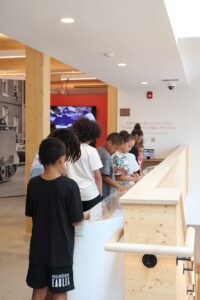
Most field trips end when the tour ends. At CAY HCC, the learning can keep going.
The Center was designed with education in mind. Alongside the exhibit spaces, the building includes a second floor classroom and educational multipurpose rooms. That means you can:
- Teach a full lesson on site. Lead your planned unit right here, surrounded by the history your students are studying.
- Pair the exhibits with classroom time. Tour first, then gather in the classroom for discussion, writing, or a group project while the experience is fresh.
- Run a hands on activity. Have students sketch in response to the art exhibit, draft interview questions inspired by the Living History Project, or map the York neighborhoods they just learned about.
- Make it a full day of learning. Combine exhibits, classroom time, and a visit to the rooftop terrace for a field trip that feels complete.
Teaching in the same building where York’s Black history is preserved changes the energy of a lesson. Students are not just reading about their community. They are standing in it.
Planning Your Visit
Booking a school field trip to CAY HCC is simple. Here is how to get started:
- Reach out to our team. Call (717) 848-0277 or email hcc@crispusattucks.org to ask about group visits and dates.
- Tell us how you want to use your time. Let us know if you plan to tour the exhibits, use the classroom space for your own lesson, or do both.
- Share your learning goals. Tell us your grade level and subject so your visit connects to what your students are studying.
- Prepare your students. Introduce a few names before you arrive, like Dr. George Bowles or Rev. David Orr, so students walk in curious.
- Keep the conversation going. After your visit, invite students to share what surprised them, or have them interview an elder in their own family.
CAY HCC also welcomes homeschool groups, youth programs, scout troops, and community organizations.